Qualified Autism Services Practitioner-Supervisor (QASP-S) course
The Qualified Autism Services Practitioner-Supervisor (QASP-S) course is for graduates who want to move from direct practice into supervising and developing Applied Behaviour Analysis (ABA) programmes, especially in autism services.
What is the QASP-S credential?
The QASP-S credential is awarded by the Qualified Applied Behavior Analysis Credentialing Board (QABA) to practitioners who oversee behaviour-analytic services, develop treatment programmes, and train and supervise technicians (ABATs). A QASP-S works under the supervision of a Qualified Behavior Analyst (QBA) or equivalent.
Core course content (180 training hours)
The course covers the coursework QABA requires for this credential. The main topics are:
- The core principles and concepts of Applied Behaviour Analysis (ABA).
- Autism core knowledge (at least 15 hours).
- Measurement, data collection and analysis, and data-based decision making.
- Functional behaviour assessment and skills assessment.
- Treatment planning, skill acquisition, and strategies to reduce behaviour that challenges.
- Supervising technicians, and training staff and parents.
- Ethical and legal considerations (at least 20 hours).
Requirements for the QASP-S credential
Under QABA standards, the main requirements are:
- Hold at least a bachelor's degree from an accredited university.
- Complete 180 hours of approved ABA coursework.
- Complete 1,000 hours of supervised fieldwork, including at least 600 hours supervising or developing programmes.
- Provide a professional recommendation from your supervisor, and a criminal background check (or an employer attestation).
- Pass the QABA examination and agree to the QABA Code of Ethics.
This course helps you complete the coursework and prepare for the exam. If you would like to enrol, contact us soon, as places are limited.
Trainer
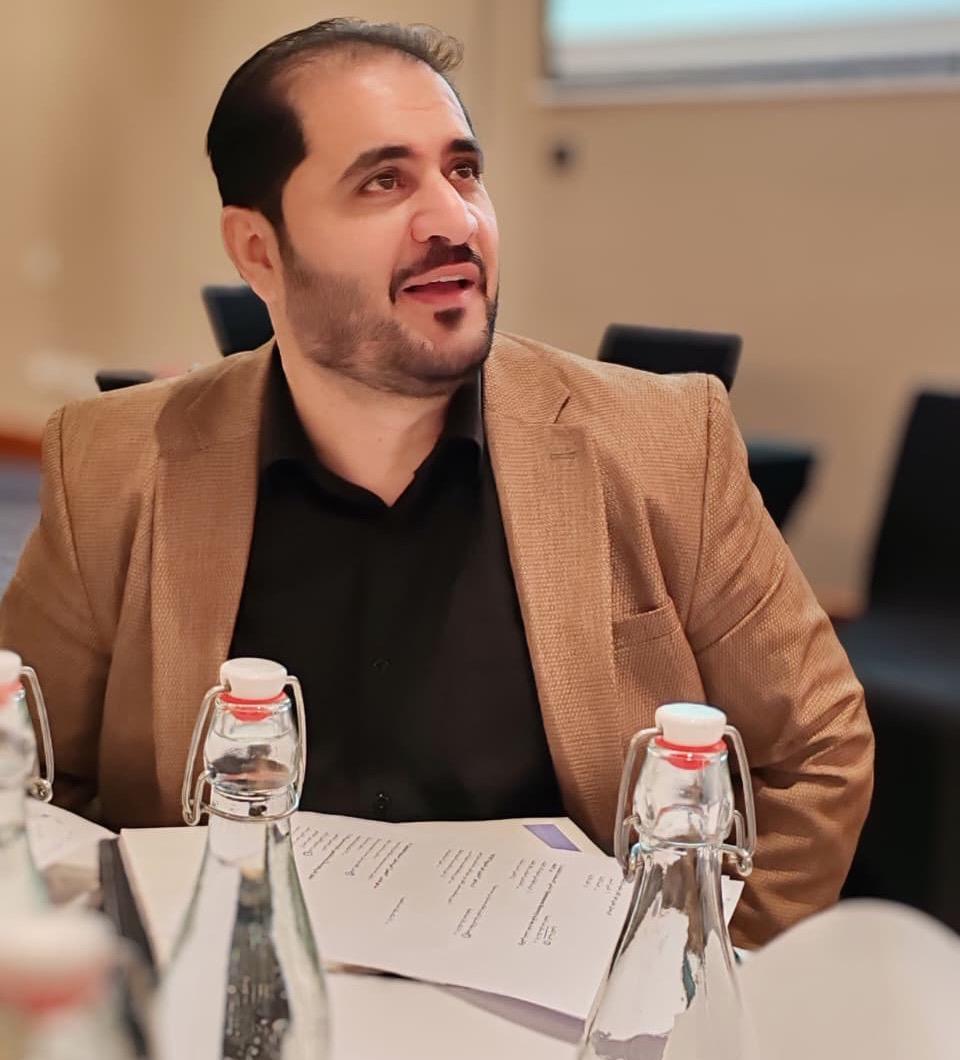
Dr Muaffaq Aqel
Holds US board certification in Applied Behaviour Analysis (ABA)