Special education is one of the most important branches of modern education. It aims to provide a complete learning environment that respects individual differences and meets the needs of children with disabilities or learning difficulties. It is not just a different curriculum: it is a whole educational approach that helps each child reach their full potential in every area of life.
What is special education?
Special education is a set of educational programmes and services designed for people who face challenges with learning, communication, behaviour or movement. It supports their academic, social and emotional development in a safe, supportive environment.
The aims of special education
- Developing children's academic and behavioural skills in line with their abilities.
- Developing communication and social interaction skills.
- Building self-confidence and independence in daily life.
- Giving parents and teachers effective support strategies.
- Reducing social isolation and encouraging inclusion with their peers.
The core elements of special education programmes
- Individual assessment: identifying each child's needs accurately with specialist assessment tools.
- Individual Education Plan (IEP): a plan with clear targets and teaching strategies tailored to the child.
- Early intervention: spotting behavioural or developmental difficulties early greatly improves outcomes.
- Working with families: involving the family in learning, so that skills are practised consistently at home.
The role of teachers and specialists
Teachers and specialists play a central role in achieving the aims of special education. Together, they:
- Use flexible teaching strategies that suit each pupil's level.
- Use positive reinforcement to encourage appropriate behaviour.
- Use visual supports and assistive technology to improve focus and attention.
- Monitor progress regularly and adjust plans when needed.
Inclusive education and building confidence
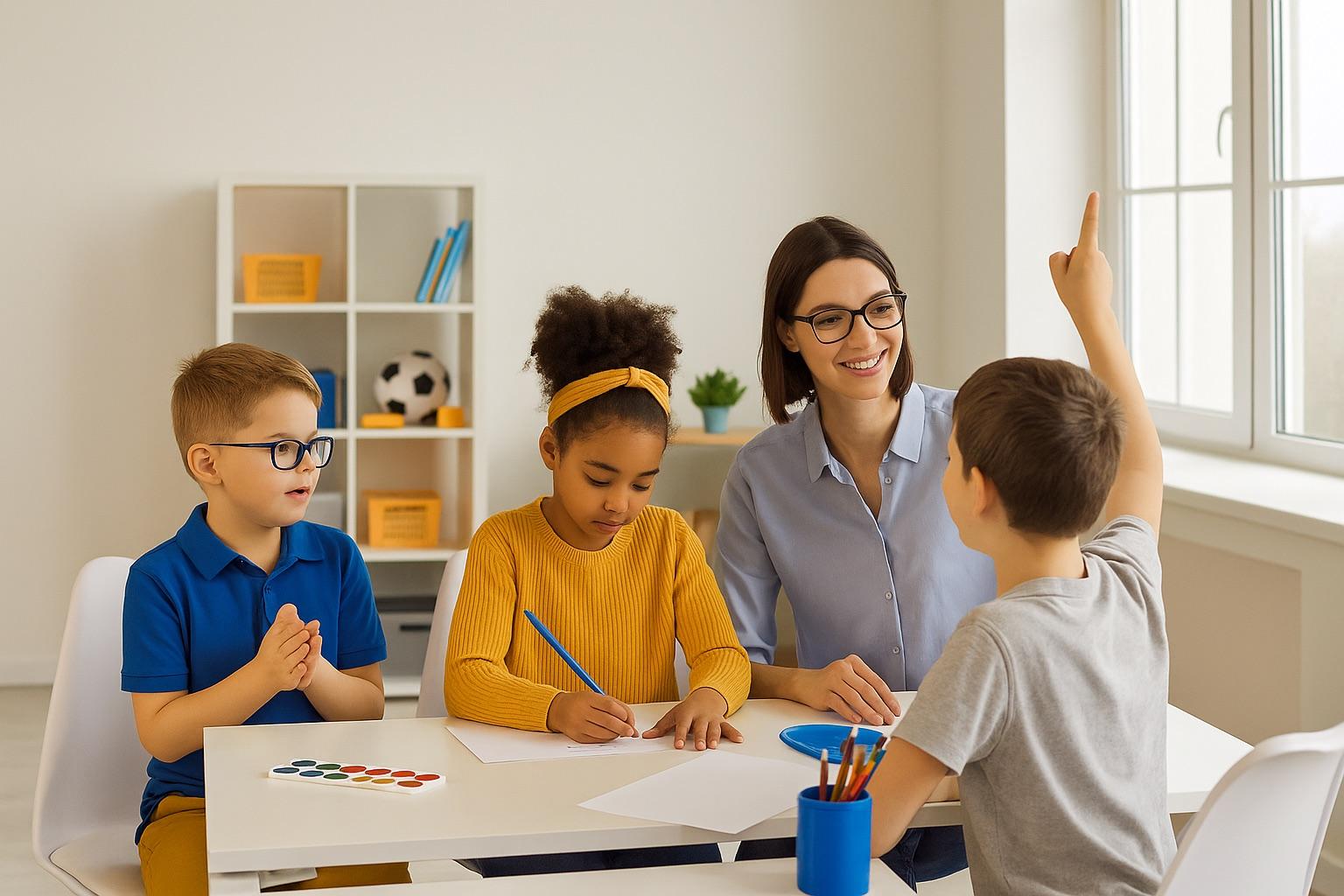
One of the main trends in special education today is inclusive education, where pupils with special educational needs learn alongside their peers in mainstream classrooms. Inclusion builds self-esteem, develops communication skills and breaks down social barriers.
Supporting emotional and social development
Special education is not limited to academic learning. It also supports the child's emotional and social development. Therapeutic and training programmes help children build a balanced personality and adapt to different situations with confidence and independence.
Conclusion
Special education is more than teaching: it is a humane mission to build a fair society that values difference and embraces diversity. When specialists and families work together, children with special educational needs can become active, creative members of their communities.