
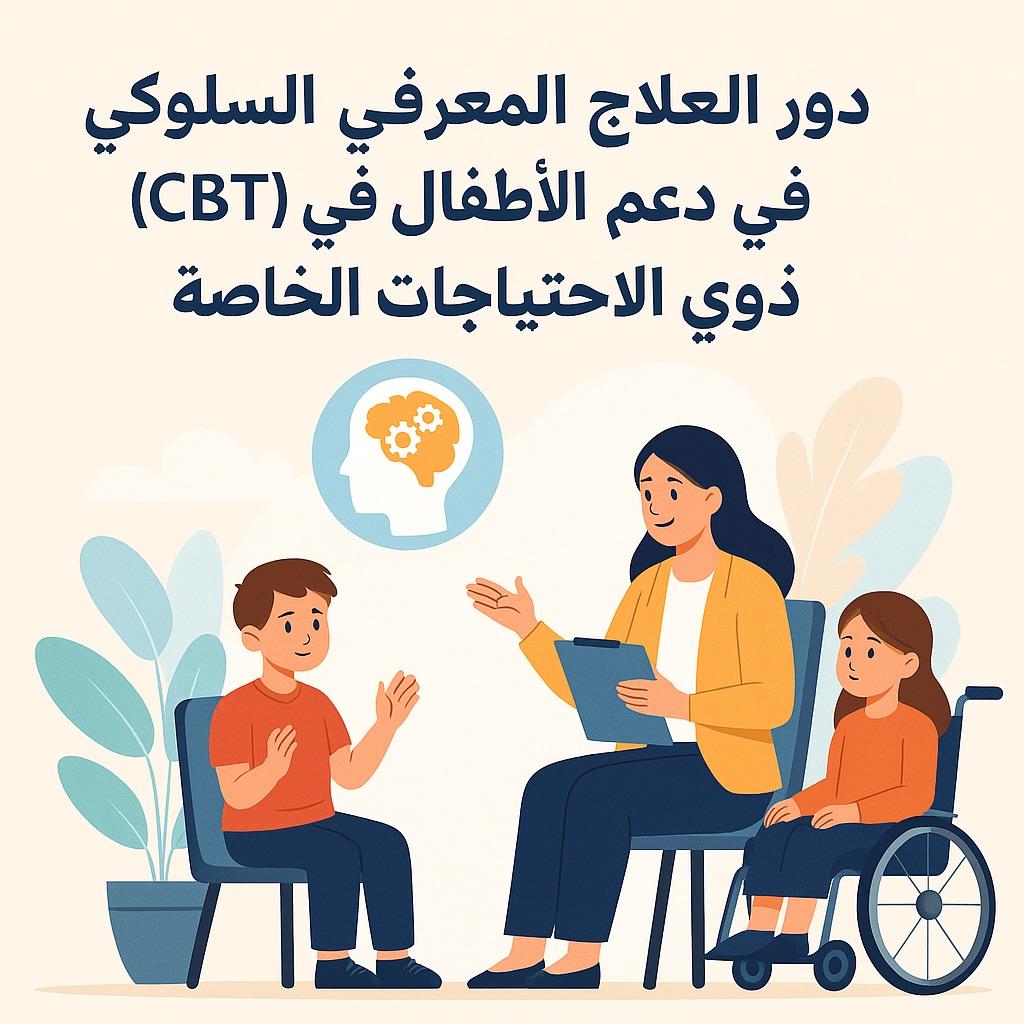
Many children with special educational needs face emotional and behavioural difficulties that affect their ability to learn, communicate and adapt to the world around them. One of the most effective approaches to these difficulties is cognitive behavioural therapy (CBT), which works on both thinking and behaviour to improve quality of life and learning.
What is cognitive behavioural therapy (CBT)?
CBT is a talking therapy based on the link between thoughts, feelings and behaviour. It helps children notice negative or unhelpful thoughts and replace them with more realistic, balanced ways of thinking that lead to better behaviour.
The goals of CBT for children with special educational needs
- Helping children express their feelings in appropriate, safe ways.
- Reducing behaviours such as aggression and social withdrawal.
- Strengthening social communication and cooperation.
- Building self-confidence and a sense of self-efficacy.
- Helping children manage the anxiety and stress that daily challenges cause.
How is CBT used in practice?
The specialist follows a series of gradual steps, adapted to the child's age and cognitive ability:
- Cognitive and behavioural assessment: identifying the situations that cause distress and the thoughts that go with them.
- Cognitive restructuring: teaching the child to tell realistic thoughts from unrealistic ones.
- Behavioural skills training: practical strategies such as relaxation, deep breathing and problem-solving.
- Positive reinforcement: rewarding appropriate behaviour so that it continues.
The role of the family and school
Success does not depend on therapy sessions alone. It relies heavily on cooperation between families and teachers. Building CBT principles into the child's daily routine helps positive behaviours take hold faster and last longer.
Results in practice
Recent studies suggest that children who had regular CBT sessions showed improvements in communication and self-regulation of more than 60%, along with a clear reduction in disruptive behaviour and social anxiety.
Summary
CBT is more than a set of techniques: it is a new way of thinking and relating to others that helps children understand themselves and manage their feelings and behaviour. Combined with Applied Behaviour Analysis (ABA) and rehabilitation programmes, it becomes a powerful tool for well-rounded development.